Little Elm rewrote IRC R908.4 to ban roof re-covers over two existing layers and over asphalt shingles in hail exposure areas. It also moved to the 2024 codes in June 2026 — while its own published handout still cites 2018.
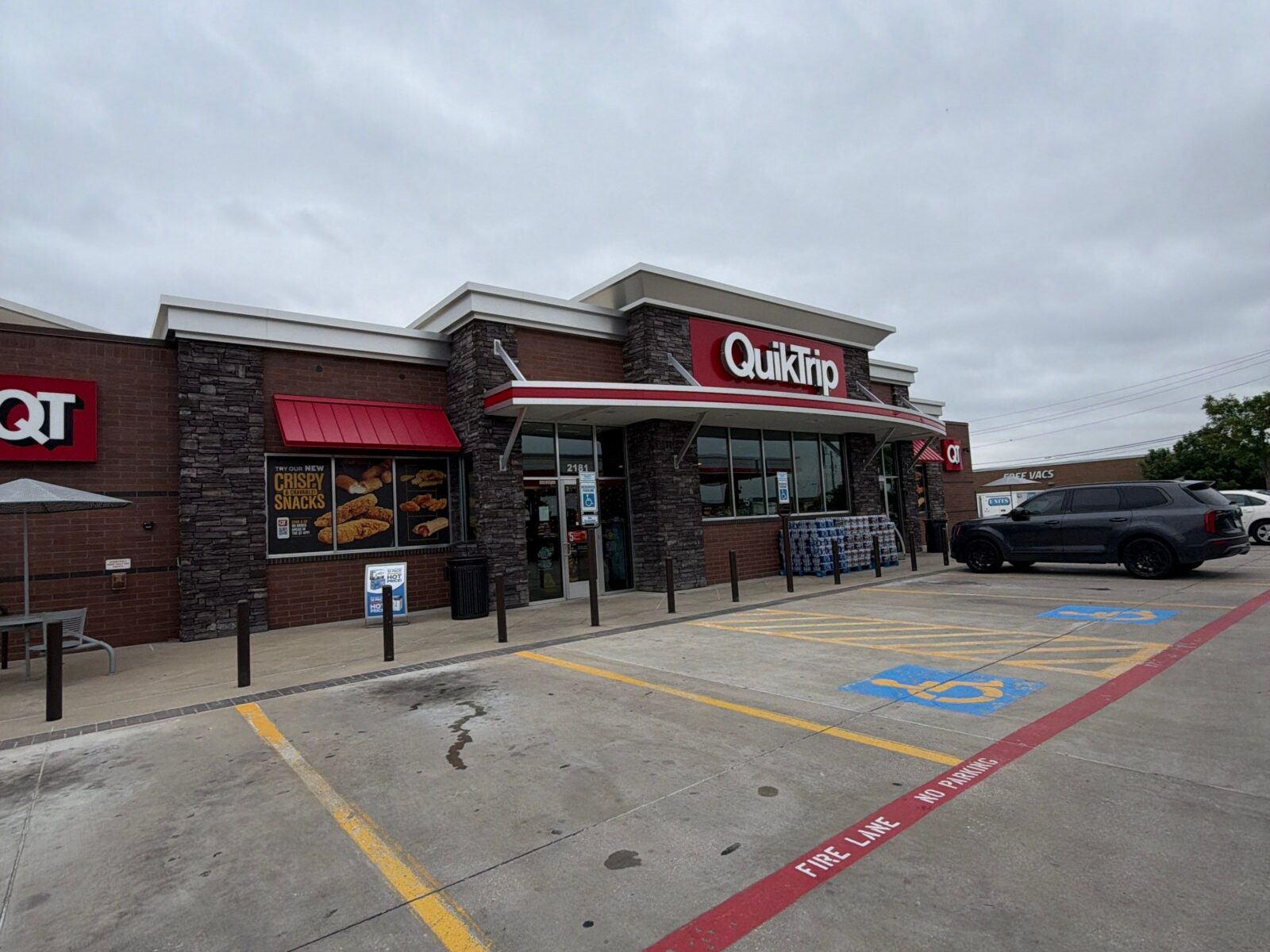
Little Elm has a local amendment that settles the tear-off argument before it starts. The Town amended IRC Section R908.4 to read that a roof re-cover shall not be permitted where the existing roof is water soaked or deteriorated past serving as a base, where the existing covering is wood, slate, clay, cement or asbestos-cement tile, where the existing roof already carries two or more applications of any type of covering, or, for asphalt shingles, where the building is located in an area subject to moderate or severe hail exposure per Figure R908.3.1.1. The ordinance then references the Town's own hail exposure figure map. We tear off to the deck here as a matter of course and we will show you which of those four conditions applies to your house.
There is a second thing you should know, and it is the kind of thing that trips up contractors who work the whole Metroplex. Little Elm adopted the 2024 I-Codes by Ordinance 1857 on June 16, 2026, including the 2024 International Residential Code and the 2024 IECC. But the Residential Building Packet still linked from the Town's own building permits page cites the 2018 IRC throughout. A roofer working from the Town's published handout is two code cycles behind the ordinance. We work from the ordinance and confirm the specifics with the Permit Division at 214-975-0456.
Little Elm's own fill-in of Table R301.2 sets design wind speed at 105 mph three-second gust at 33 feet, Exposure C. Ground snow load is 9 pounds per square foot, which is higher than the 5 that most of the region uses. Ice barrier underlayment is not required. Foundations here must be designed and sealed by a Texas-registered engineer, and the Town deleted the residential sprinkler section entirely.
On the weather: 68 hail reports within five miles of town since 2010, eight of them two inches or larger. On April 11, 2016 trained spotters reported golf ball to baseball sized hail in Little Elm. The NWS summary of that day describes one long-lived supercell producing a multi-million dollar hailstorm across the northern suburbs, with grapefruit sized hail in Denton, softball sized hail in Wylie, and at least eighty percent of the town of Wylie damaged. On March 14, 2024 a tight cluster of reports landed in and around town, including two-inch hail three miles northeast of Hackberry, measured half dollar hail in Little Elm itself, and tennis ball hail at El Dorado Parkway and FM 423. On June 11, 2023 a three-and-a-half-inch stone was photographed at Main Street and Teel Parkway. The March peak is real: of the hail reports inside five miles, twenty landed in March, more than any other month.
One honest caveat about wind here. Only five of the nineteen thunderstorm wind reports within five miles of Little Elm are instrument-measured; the rest are estimates from spotters, ham operators and the public. There is no official anemometer in town. The strongest reading is an estimated 81 mph gust on March 2, 2023, which the NWS logged alongside a terse note that an older restaurant building partially collapsed. So when someone quotes you a wind speed for Little Elm, ask whether it was measured or estimated, because most of the record here is the latter.
The housing tells you what kind of roofing town this is. Ninety-two percent of Little Elm's 19,778 housing units were built in 2000 or later, and only two percent predate 1980. Median year built is 2011. The 7,194 homes that went up between 2000 and 2009 are now seventeen to twenty-six years old, which puts them squarely into first- or second-replacement territory for builder-grade shingles. This is not a town of rotten decking and surprise layers. It is a town of original roofs reaching the end of a warranty period, several big hail years on top of them.
Permits and money: a residential roof permit is $75, reinspection starts at $75 and doubles each time to a maximum of $600, and there is an unauthorized cover-up fee of $75 per missed inspection step. Work without a permit and the Town charges an investigation fee equal to the full permit fee on top of the permit fee itself, whether or not a permit is eventually issued. Contractor registration is $100 a year. Construction hours are 7 am to 8 pm on weekdays. One more local wrinkle that touches roofing indirectly: Little Elm requires 100 percent masonry on single-family exteriors, with cementitious fiberboard allowed for architectural features including roof dormers and chimneys that are not part of an exterior wall.
Repairs, replacements, installations, and inspections for homeowners. Class 4 impact-resistant shingles, metal, tile, slate.
View Residential Roofing →TPO, EPDM, modified bitumen, and metal systems for businesses and property managers. Maintenance plans available.
View Commercial Roofing →Emergency and scheduled repairs. Hail damage, leaks, flashing, and storm response with 1-year workmanship warranty.
View Roof Repair →Full tear-off and replacement with manufacturer warranties up to 50 years. Flexible financing available.
View Roof Replacement →Honest, no-pressure assessments for storm damage, pre-sale, and annual maintenance — written report included.
View Free Roof Inspection →Residential maintenance plans from $24.99/month. Annual inspection, priority scheduling, 10% repair discount.
View Roof Maintenance →The Town rewrote IRC R908.4 to bar a roof re-cover where the existing roof is water soaked or deteriorated, where the covering is wood, slate, clay or cement tile, where two or more applications are already up there, or where asphalt shingles sit in a moderate or severe hail exposure area under Figure R908.3.1.1. Most Little Elm houses hit at least one of those. We do not bid layovers here and we will walk you through which condition your roof falls under.
Little Elm adopted the 2024 I-Codes by Ordinance 1857 on June 16, 2026. The Residential Building Packet still linked from the Town's permit page cites the 2018 IRC throughout. That gap catches contractors who print the handout and call it research. We confirm current requirements with the Permit Division at 214-975-0456 for the job in front of us rather than relying on a PDF that is two cycles behind.
Little Elm charges an investigation fee equal to the full permit fee, in addition to the permit fee, when work is done without one, and it charges that whether or not a permit is eventually issued. There is also a $75 unauthorized cover-up fee for each inspection step that gets concealed. A $75 permit is cheap; the alternative is not, and it attaches to your property rather than to the crew.
Don't see your question? Call us at (469) 936-7663 — we're happy to talk it through.
Almost certainly not. The Town's amendment to IRC R908.4 prohibits a re-cover in four situations, and Little Elm houses commonly fall into one of them: a water-soaked or deteriorated existing roof, a wood, slate, clay or cement-tile covering, two or more existing applications, or asphalt shingles on a building in a moderate or severe hail exposure area under Figure R908.3.1.1. The Town references its own hail exposure figure map for that last one. We tear off to the deck.
The 2024 International Residential Code and the 2024 IECC, adopted by Ordinance 1857 on June 16, 2026, along with the rest of the 2024 I-Codes and the 2023 National Electrical Code. This matters because the Residential Building Packet currently linked from the Town's website still cites the 2018 IRC. If a bid you are holding references the 2018 code, the person who wrote it read the handout and not the ordinance.
Seventy-five dollars for a residential roof permit on the Town's published fee schedule, with reinspections starting at $75 and doubling each time to a maximum of $600. We will note honestly that the fee schedule we can retrieve is self-dated June 2019, so we confirm the current figure with the Permit Division rather than promising you a number that may have moved.
No. The Town's fill-in of Table R301.2 lists ice barrier underlayment as not required. It sets design wind speed at 105 mph three-second gust at 33 feet in Exposure C, and it sets ground snow load at 9 pounds per square foot, which is actually higher than the 5 psf most surrounding cities use. We still recommend a self-adhering membrane in valleys and around penetrations, as a choice rather than a requirement.
Less than people assume, and we would rather give you the real answer. Little Elm is eighteen percent water by area because of Lewisville Lake, but the storm record does not show a distinct lake effect on hail or wind. What it does show is that reports cluster on the inhabited side of town, because a storm report needs an observer and the lake surface has none. The hail here is plenty real on its own: 68 reports inside five miles since 2010, eight at two inches or larger.
Only as part of something larger. The Town runs a Home Improvement Incentive Program that pays a homeowner the town tax increase times ten, in one lump sum, for reconstruction or remodeling of a single-family home. The project must cost at least $20,000, be completed within 24 months of approval, and be approved before construction starts or materials are purchased. A roof alone will rarely reach $20,000, but a roof done as part of a bigger remodel could. Do not start work before the Town approves the application.
All over town, including the Public Improvement Districts the Town has created: Valencia on the Lake, Hillstone Pointe, Lakeside Estates, Spiritas Ranch and Spiritas East, and the Rudman Tract. Worth knowing that a PID is not an HOA. The Town publishes the distinction directly: PIDs maintain public property, are governed by City Council, do not deal with deed restrictions, and are collected through your mortgage on the Denton County tax bill. Your HOA is the one with rules about shingle color.
Call us at (469) 936-7663, or request your free estimate online — most inspections are scheduled within 24–48 hours.
(469) 936-7663