There is no city permit in Spring because there is no city — and Harris County has no residential building code. Nobody will inspect your roof. That makes documentation the whole game.
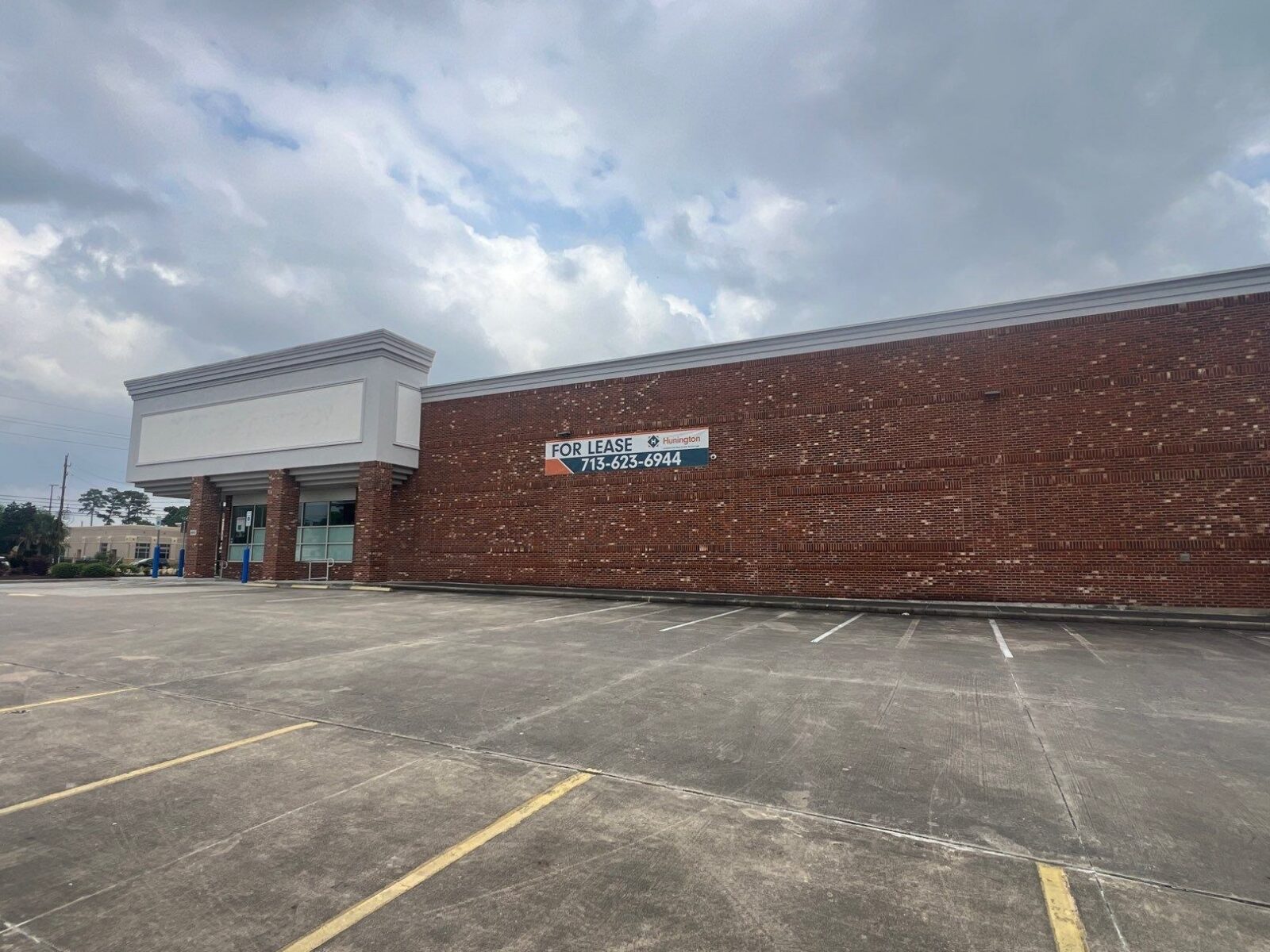
If a roofer tells you that you need a city permit in Spring, they are describing a city that does not exist.
Spring is an unincorporated community in Harris County. There is no city government, no city building department and no city permit. And Harris County does not fill the gap the way people assume: the county has no residential building code, and its entire published permit catalogue and fee schedule contain no roofing permit of any kind.
We went further than the catalogue, because the interesting question is whether some other county rule catches a re-roof indirectly. The county's only residential permit authority runs through its Floodplain Management Regulations, which prohibit development in unincorporated areas without a permit — but Section 2.12 of those same regulations expressly excludes “routine maintenance and repairs to existing structures” from the definition of development. A re-roof is exactly that. State law backs it up: the Local Government Code provisions that let counties regulate residential construction reach only new construction on vacant lots and additions over 50%, and the statute says explicitly that it “may not be construed to require prior approval by the county” and bars the county from charging a fee.
So the honest answer is that a straightforward residential re-roof in Spring requires no government permit at all. The one thing to watch is the substantial-improvement threshold in the floodplain rules, which bites at 50% of the structure's assessed value — relevant on a major rebuild, not on a roof.
What actually governs your roof in Spring is your subdivision's deed restrictions and HOA. That is it. No inspector is coming. Which means the entire quality question rests on who you hire, and it is why we photograph the deck before it is covered and hand you the photographs — on an uninspected job, documentation is the only proof that exists.
Spring is also the genuine wear-out market of the communities north of Houston. The median home here was built in 1993, 54% of the housing predates 2000, and 85.6% is single-family detached. Median value is $231,500, against $511,700 in The Woodlands next door. These are ordinary houses on their second or third roof, and the conversation here is usually about whether the decking is still sound rather than about matching a covenant colour.
The storm record has one standout figure. On June 21, 2023 the certified station at Bush Intercontinental, six miles from Spring, recorded a measured 97 mph gust. Most wind numbers in the federal database are surveyors' estimates; that one came off an instrument, and it is the strongest verified gust anywhere in the Houston area record.
More recently, the National Weather Service survey of the November 24, 2025 EF2 found “large sections of missing roof decking” on Spring-area homes. Decking loss rather than shingle loss is the line between a re-roof and a structural repair, and it is worth knowing it has happened here that recently. Across 2000 to 2025 the area has logged 28 distinct hail days and 42 damaging-wind days within ten miles, with nine tornado tracks — a wind-weighted profile, like most of this region.
Repairs, replacements, installations, and inspections for homeowners. Class 4 impact-resistant shingles, metal, tile, slate.
View Residential Roofing →TPO, EPDM, modified bitumen, and metal systems for businesses and property managers. Maintenance plans available.
View Commercial Roofing →Emergency and scheduled repairs. Hail damage, leaks, flashing, and storm response with 1-year workmanship warranty.
View Roof Repair →Full tear-off and replacement with manufacturer warranties up to 50 years. Flexible financing available.
View Roof Replacement →Honest, no-pressure assessments for storm damage, pre-sale, and annual maintenance - written report included.
View Free Roof Inspection →Residential maintenance plans from $24.99/month. Annual inspection, priority scheduling, 10% repair discount.
View Roof Maintenance →There is no city and no county permit for a residential re-roof in Spring, which means no inspector will ever look at the work. We photograph the decking once the old covering is off, before anything goes back down, and give you those photographs. On an uninspected job that record is the only evidence that the deck was sound, the flashing was right and the nailing pattern was correct.
With no government permit in play, your subdivision's deed restrictions and HOA are what genuinely govern material, colour and profile in Spring. Those vary street by street and they are enforceable. We establish what applies to your property before ordering, rather than finding out from a violation letter after the job is finished.
Harris County's published permit catalogue and fee schedule contain no roofing permit, and the floodplain regulations that do reach residential work expressly exclude routine maintenance and repairs to existing structures. State law adds that the county may not require prior approval or charge a fee for this. If a contractor adds a permit line to a Spring estimate, ask them which permit it is.
Don't see your question? Call us at (469) 936-7663 — we're happy to talk it through.
No. Spring is unincorporated Harris County — there is no city government to issue one, and the county has no residential building code. Its published permit catalogue and fee schedule contain no roofing permit. The one county rule that touches residential work is the Floodplain Management Regulations, and those expressly exclude routine maintenance and repairs to existing structures from the definition of development. A re-roof falls squarely inside that exclusion.
It is not a loophole, it is how Texas law allocates authority. Counties have far narrower building-regulation powers than cities. The Local Government Code provisions that do let a county reach residential construction apply to new construction on vacant lots and to additions over 50%, and the statute states that it may not be construed to require prior approval by the county and prohibits the county from charging a fee. Harris County confirms the practical position itself — there is simply no roofing permit to buy. You can verify it at 713-274-3900.
Your deed restrictions and your HOA, and nothing else. In a subdivision with active covenants those can control material, colour and profile as firmly as any ordinance, and they are enforceable in court. In a subdivision without them, the practical answer is that your contract with your roofer is the whole of it. That is a good reason to read what you are signing.
You do not, unless you insist on documentation. This is the real risk of an unpermitted market: a crew can cover bad decking and nobody will ever look. We take photographs of the deck once the tear-off is done and before the underlayment goes on, and those photographs are yours. We would suggest making that a condition with whoever you hire, not just with us.
One thing, and it is unlikely to be your roof. The floodplain regulations define substantial improvement at 50% or more of the structure's assessed value, and work over that threshold does come into scope. A roof replacement does not normally approach it. A major rebuild after a serious storm might, particularly on a lower-valued structure, so we check that threshold when the damage is extensive rather than assuming.
Windier than the numbers people expect. The strongest verified gust anywhere in the Houston area record is a measured 97 mph at Bush Intercontinental on June 21, 2023, six miles from Spring — an instrument reading rather than a surveyor's estimate. Across 2000 to 2025 there have been 42 distinct damaging-wind days within ten miles against 28 hail days. Wind is the dominant hazard here and it should be the thing your roof is specified for.
The National Weather Service survey of the November 24, 2025 EF2 recorded large sections of missing roof decking on homes in the Spring area. That distinction matters more than it sounds. Losing shingles is a covering problem; losing decking means the assembly failed at the fastening and the repair reaches into the structure. It is also the kind of damage that an insurance adjuster and a roofer can reasonably disagree about, which is why the photographs matter.
We could not obtain a verified figure for this area and we will not borrow one. Houston deliberately publishes no single number and requires a per-address ASCE 7 wind hazard lookup instead; Pearland's ordinance sets 140 mph; Dallas-Fort Worth uses 115. Spring, being unincorporated, has no adopting authority to publish anything. We run the address-level lookup and build to what it returns.
No. The Texas Department of Insurance designated catastrophe area covers fourteen first-tier counties plus a narrow slice of Harris County — areas east of State Highway 146 and inside Seabrook, La Porte, Shoreacres, Pasadena and Morgan's Point. Spring is nowhere near that line. If a contractor is quoting you windstorm inspection work in Spring, they are applying a coastal requirement to an inland address.
You are right at Spring's median, and you are in the largest group here — 54% of this community's housing predates 2000. A house of that age on the Gulf Coast has typically had one roof replacement already and is due or overdue for the next. What we look at first is the decking, because thirty years of humidity and two roof cycles is where soft sheathing turns up, and it is much cheaper to find it with the shingles off than to discover it after.
Call us at (469) 936-7663, or request your free estimate online — most inspections are scheduled within 24–48 hours.
(469) 936-7663